
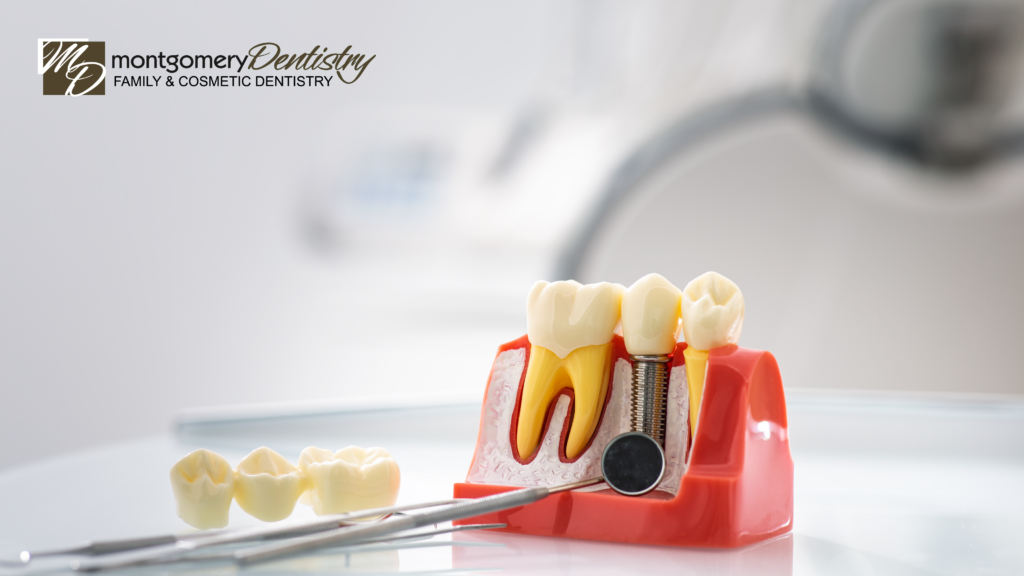
A chipped edge, a dark spot, or a tooth that aches when you chew can raise the same question: what will fix this best and last? Crowns, fillings, and veneers each solve different problems, and the right choice depends on the size of the damage, the tooth’s location, and your goals for strength and appearance.
This guide explains when each option is appropriate, compares common materials, touches on longevity and cost factors, and answers the most frequently asked questions, including signs you might need a crown and what can happen if you wait too long. You will also find local notes on Montgomery affordability and what to expect during the temporary crown stage of treatment.
When a Tooth-Colored Filling is The Right Call
If you have small-to-medium decay, a chipped corner, or a minor fracture that does not threaten the tooth’s overall strength, a tooth-colored filling is usually the simplest option. After removing decay, the dentist bonds composite resin to the tooth to restore shape and seal out bacteria. For back teeth with shallow cavities and for front teeth with small chips, composite blends in well and can be completed in one visit.
- Best for: Small to medium cavities, minor chips, and early wear.
- Materials: Composite resin is most common.
- Cost: Generally the most affordable option per tooth. Insurance often helps with basic fillings under restorative benefits.
If you are considering a cheaper alternative to a crown, ask whether a large bonded filling or an onlay can safely preserve enough of the tooth. When too little healthy tooth remains for a filling, a crown may provide better protection. Treatment for a cracked tooth depends on the crack’s location and extent; some teeth also need root canal treatment, and others cannot be saved.
When a Dental Crown is The Safer, Stronger Choice
A crown covers the entire visible portion of a tooth to restore strength, shape, and function. Dentists typically recommend crowns when a tooth is cracked, heavily restored, or weakened after root canal treatment. Crowns are also used when a large filling would be likely to break or leak.
Common signs a crown may be needed:
- A tooth hurts when chewing or with temperature changes and shows a fracture line.
- A large existing filling leaves little healthy tooth structure or weakened chewing cusps.
- You had a root canal on a back tooth and need protection against breakage.
- The tooth has deep wear or erosion that compromises its strength.
If treatment is delayed, a cracked or weakened tooth can split further, sometimes below the gumline. That can turn a fixable tooth into one that needs extraction. A crown can help protect a cracked tooth, but it does not heal the crack or guarantee that it will not progress.
Common Crown Materials
Crown materials used in dentistry include porcelain, zirconia, porcelain-fused-to-metal, and gold alloys. Ask your dentist which materials are available and appropriate for your tooth.
- Zirconia: Very strong and fracture-resistant, good for back teeth and patients who clench. Often chosen for long service life.
- Porcelain-fused-to-metal (PFM): A metal base with porcelain coating for strength and decent aesthetics.
- All-ceramic/porcelain: Attractive and lifelike, especially for front teeth. Modern high-strength ceramics perform well but are typically less fracture-resistant than monolithic zirconia in heavy-bite areas.
- Gold: Time-tested durability and gentle on opposing teeth, often excellent for molars when appearance is not the top priority.
Gold-alloy and zirconia crowns are durable options, but no material lasts longest in every situation. Longevity depends on the crown’s design and fit, the remaining tooth structure, your bite, oral hygiene, and grinding habits. Zirconia is itself a type of ceramic.
What to Expect During Crown Treatment
At Montgomery Dentistry, crown treatment typically takes two appointments. At the first visit, your dentist prepares the tooth, takes impressions, and places a temporary crown to protect it while the dental lab makes your permanent porcelain crown, which is usually ready in about two weeks. At the second visit, the dentist checks the fit and bite before securing the permanent crown.
If a tooth chips or breaks, call the office to discuss your symptoms, appointment availability, and appropriate treatment.
When Veneers are Ideal for Front-Tooth Appearance
Veneers are thin porcelain or ceramic shells bonded to the front of teeth. They are best for improving color, shape, and small alignment issues in the smile zone. If your front teeth are healthy but you want to address discoloration, small chips, worn edges, or a gap between the front teeth, veneers can create a balanced, natural look with minimal tooth reduction compared with full crowns.
Veneers generally require removal of some enamel, making treatment irreversible. Decay and gum disease should be treated first, and grinding or clenching may affect whether veneers are suitable.
- Best for: Cosmetic improvements on healthy front teeth.
- Materials: Porcelain and other advanced ceramics resist stains and mimic the look of enamel.
- Cost: Fees depend on the material, number of teeth, and treatment needs. Veneers are usually considered cosmetic, so insurance often does not cover them.
If you are considering veneers in the River Region, schedule a consultation to discuss your smile goals, tooth preparation, and shade matching. Montgomery Dentistry’s porcelain veneers generally require two appointments, with the veneers custom-made in a dental laboratory.
Learn more about porcelain veneers in Montgomery, Alabama.
Longevity, Maintenance, and Costs At A Glance
- Fillings: Lower upfront cost. Best for small to medium issues.
- Crowns: Higher cost, but often appropriate for weakened or heavily restored teeth, depending on the extent of damage.
- Veneers: Primarily cosmetic.
Fillings, crowns, and veneers can provide years of service, but none lasts forever. Lifespan varies with the restoration’s size, material, fit, oral hygiene, and bite forces. Repairs or replacement may eventually be needed.
Insurance benefits vary by plan, treatment, and whether a procedure is medically necessary or cosmetic. Contact your insurer and our office to confirm coverage and expected out-of-pocket costs.
Montgomery Dentistry offers several payment methods and works with Cherry Financing and CareCredit. Call before your appointment to discuss available arrangements, or explore our payment and financing options.
Local Convenience And Affordability In Montgomery
Montgomery Dentistry provides preventive and restorative care for patients across the River Region. Regular exams can help identify problems before they become more extensive. Learn more about professional dental cleaning in Montgomery, Alabama.
If a tooth is chipped, painful, or weakened, schedule an evaluation rather than waiting for your next cleaning. Your dentist can explain whether a filling, onlay, or crown is appropriate and what to expect during treatment.
Explore dental crown treatment in Montgomery, Alabama.
Quick FAQ
- When is it too late to put a crown on a tooth?
A crown may not be possible when extensive decay or a deep fracture leaves too little healthy tooth to support a predictable restoration. Some teeth need additional treatment before a crown can be placed; others require extraction. Your dentist will assess the extent of the damage and whether the tooth can be restored. - What is a cheaper alternative to a crown?
A filling may cost less when the tooth can safely support it. Ask for an estimate and a comparison of clinically suitable options. - Which crown materials last the longest?
Gold-alloy and zirconia crowns are durable options, but no material lasts longest in every situation. Longevity depends on the crown’s design and fit, the remaining tooth structure, your bite, oral hygiene, and grinding habits. Zirconia is itself a type of ceramic. - Why do dentists recommend crowns?
To reinforce cracked or heavily filled teeth, protect teeth after root canals, restore badly worn enamel, and reduce the risk of catastrophic fracture.
The Bottom Line
- Choose a filling for small to medium decay or minor chips.
- Choose a crown for cracked or heavily restored teeth that need strength.
- Choose veneers for healthy front teeth when you want a brighter, more even smile.
Not sure which option is best for your tooth? Schedule a visit for a personalized crown or veneer consult in Montgomery. If you also need routine preventive care, ask about coordinating it with your treatment plan. You can request an appointment here.


